Innocent on Paper, Guilty in the Database: The Lifetime Sentence No Judge Ever Imposed
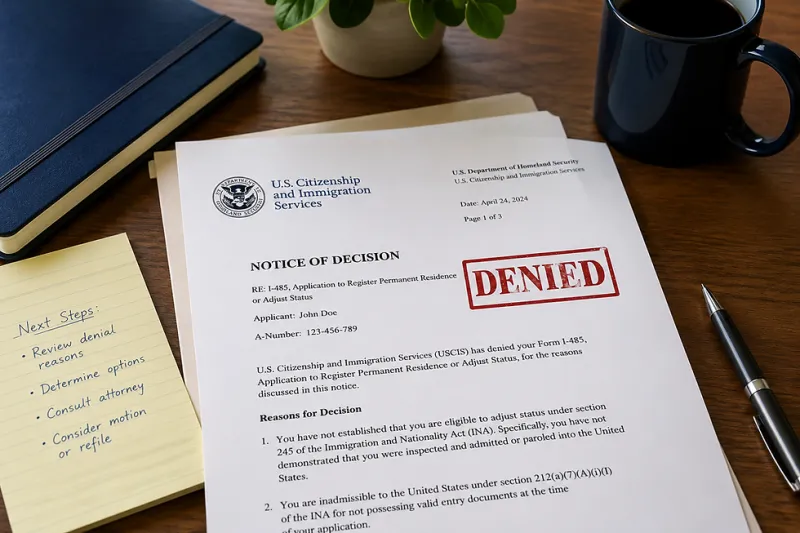
Photo: background check application denied paperwork desk, via static.wixstatic.com
The Verdict That Never Happened
In the American legal system, an arrest is not a conviction. Acquittal is not guilt. A dismissed charge is supposed to leave no stain. These are foundational promises — yet in the age of instant data, they are promises the database does not keep.
Roughly one in three American adults carries some form of criminal record, and a substantial share were never convicted of anything. They were arrested and released. Charged and exonerated. Sued by a state that later dropped the case. The courthouse closed their file; the data brokers never did. What follows is a shadow sentence: the algorithmic denial of jobs, leases, licenses, and volunteer opportunities, imposed by software that cannot distinguish an accusation from a verdict.
Screening Out the Innocent at Scale
The machinery is straightforward. Employers, landlords, and even hospitals purchase background reports from consumer reporting agencies, which scrape court records, jail booking logs, and mugshot sites. Automated screening platforms then apply crude rules — any record, any disposition, disqualify — because a false negative looks worse in a spreadsheet than a false positive looks to a human being who never sees one.
The errors compound. Records are mismatched to the wrong person with alarming frequency. Expunged cases resurface because courts sell bulk data before sealing orders take effect. Mugshot websites harvest booking photos and charge fees for removal, a racket several states have outlawed but the internet quietly ignores. And because the Fair Credit Reporting Act's dispute process moves at the speed of paper mail, a wrongly flagged applicant often loses the job before the correction arrives.
A Second-Class Status Without a Trial
This is what due process looks like when it is inverted: punishment first, procedure never. A person can spend years proving they are innocent of something they were never charged with, and even then the record may linger in a vendor's archive. The consequences fall hardest on communities where arrests are common and convictions rare — a gap that maps, predictably, onto race and poverty.
Defenders of aggressive screening call it caution. But caution in a free society has traditionally required an accusation to be tested, not merely recorded. When an unadjudicated arrest can bar someone from nursing, trucking, teaching, or renting for the rest of their life, the database has become a parallel court — one with no judge, no jury, and no appeal worth the name.
What Reform Must Look Like
The remedy is not to hide legitimate convictions; it is to restore the line between accusation and adjudication.
- Automatic expungement. Pennsylvania, Utah, and Michigan have pioneered automatic clearance of eligible records. Every state should follow: if the law says a record is sealed, no vendor should still be selling it.
- Ban-the-box, honestly enforced. Delaying the record question until after a conditional offer gives applicants a fighting chance — if enforcement has teeth.
- Liability for bad data. Screening companies should bear real costs for mismatches and stale records, not boilerplate disclaimers.
- Disposition accuracy mandates. Courts must transmit final outcomes — dismissal, acquittal, sealing — to the same pipelines that carry arrests.
- Human review before exclusion. No automated rejection should be final without a person examining the actual file.
The Freedom to Be More Than Your Worst Data Point
A society that believes in second chances cannot outsource its memory to databases that never forget and never verify. The presumption of innocence is not a technicality; it is the operating principle of a free people. Either the record reflects a conviction, or it should be invisible. Anything less is a lifetime sentence handed down by no one, served by millions.